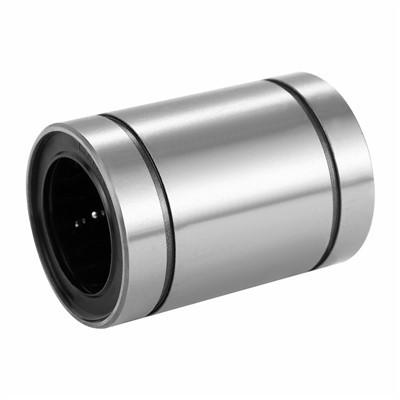
Calibrating the ST20B is a crucial process that ensures its accurate performance and reliability. As a supplier of the ST20B, I understand the importance of providing clear guidance on calibration to our customers. In this blog post, I will walk you through the step-by-step process of calibrating the ST20B, highlighting key points and offering practical tips along the way.
Understanding the ST20B
Before diving into the calibration process, it's essential to have a basic understanding of the ST20B. The ST20B is a high-precision instrument used in various industrial applications, such as manufacturing, quality control, and research. It is designed to measure specific parameters with a high degree of accuracy, making it a valuable tool for professionals in these fields.


Why Calibration is Necessary
Calibration is the process of comparing a measuring instrument's output to a known standard to ensure its accuracy. Over time, factors such as wear and tear, environmental conditions, and normal usage can cause an instrument to drift from its original calibration. This drift can lead to inaccurate measurements, which can have serious consequences in industrial applications. By calibrating the ST20B regularly, you can ensure that it continues to provide accurate and reliable measurements, reducing the risk of errors and improving the quality of your work.
Tools and Equipment Needed
Before you start calibrating the ST20B, you will need to gather the necessary tools and equipment. Here's a list of what you'll need:
- Calibration standard: A known standard with a high degree of accuracy that matches the parameter you are measuring with the ST20B.
- Cleaning supplies: To clean the ST20B and remove any dirt or debris that may affect its performance.
- Screwdrivers and wrenches: To access and adjust the internal components of the ST20B if necessary.
- Data logging device: To record the calibration results for future reference.
Step-by-Step Calibration Process
Step 1: Prepare the ST20B
- Clean the instrument: Use a clean, dry cloth to wipe the exterior of the ST20B, removing any dirt, dust, or debris. Pay special attention to the sensor area, as any contaminants can affect the accuracy of the measurements.
- Power on the ST20B: Connect the ST20B to a power source and turn it on. Allow the instrument to warm up for at least 15 minutes to ensure stable operation.
Step 2: Set Up the Calibration Standard
- Select the appropriate calibration standard: Choose a calibration standard that matches the parameter you are measuring with the ST20B and has a known accuracy.
- Position the calibration standard: Place the calibration standard in a stable position near the ST20B, ensuring that it is within the instrument's measurement range.
Step 3: Perform a Zero Calibration
- Zero the ST20B: Follow the manufacturer's instructions to zero the ST20B. This typically involves pressing a zero button or using a menu option to set the instrument's reading to zero when no measurement is being taken.
- Verify the zero calibration: Check the ST20B's reading to ensure that it remains at zero. If the reading is not zero, repeat the zero calibration process until it is.
Step 4: Perform a Span Calibration
- Take a measurement with the calibration standard: Use the ST20B to measure the value of the calibration standard. Record the measurement reading and the known value of the calibration standard.
- Calculate the calibration factor: Divide the known value of the calibration standard by the measurement reading obtained with the ST20B. This will give you the calibration factor.
- Adjust the ST20B: Use the calibration factor to adjust the ST20B's output. This may involve adjusting the instrument's internal settings or using a calibration software provided by the manufacturer.
- Verify the span calibration: Take another measurement with the calibration standard and compare the reading to the known value. If the reading is within the acceptable tolerance range, the span calibration is complete. If not, repeat the span calibration process until the reading is within the tolerance range.
Step 5: Record the Calibration Results
- Document the calibration process: Use a data logging device or a calibration report template to record the calibration results, including the zero calibration and span calibration readings, the calibration factor, and any adjustments made to the ST20B.
- Store the calibration records: Keep the calibration records in a safe place for future reference. These records can be used to track the performance of the ST20B over time and to demonstrate compliance with quality control standards.
Tips for Successful Calibration
- Follow the manufacturer's instructions: Always refer to the ST20B's user manual and calibration guide for specific instructions on how to calibrate the instrument.
- Use high-quality calibration standards: The accuracy of your calibration results depends on the quality of the calibration standards you use. Make sure to use standards that are traceable to a national or international standard.
- Calibrate regularly: To ensure the continued accuracy of the ST20B, it is recommended to calibrate it at least once a year or more frequently if it is used in a high-precision application.
- Keep the instrument clean and well-maintained: Regular cleaning and maintenance can help prevent wear and tear and ensure the long-term performance of the ST20B.
Related Products
In addition to the ST20B, we also offer a range of related products that can enhance its performance and functionality. Some of these products include:
- LM20UUOP: A high-quality linear motion bearing that can be used in conjunction with the ST20B to provide smooth and accurate movement.
- LM20LUU: Another linear motion bearing option that offers excellent durability and performance.
- LM20UU Stainless Steel: A stainless steel linear motion bearing that is resistant to corrosion and suitable for use in harsh environments.
Contact Us for Purchase and Consultation
If you are interested in purchasing the ST20B or any of our related products, or if you have any questions about calibration or instrument performance, please feel free to contact us. Our team of experts is available to provide you with detailed information, technical support, and assistance with your purchase. We are committed to providing our customers with the highest quality products and services, and we look forward to working with you.
References
- ST20B User Manual
- Calibration Guide for Industrial Measuring Instruments