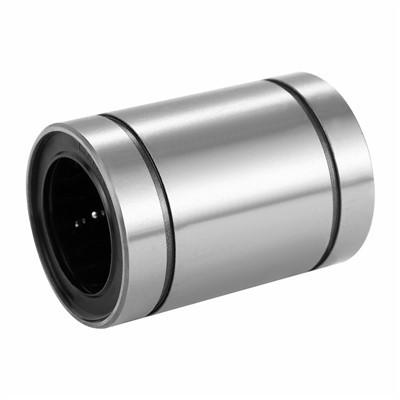
As a wholesale supplier of ST20B, I often receive inquiries about the storage temperature range of this product. Understanding the appropriate storage temperature is crucial for maintaining the quality and performance of ST20B. In this blog, I will delve into the details of the storage temperature range of ST20B and explain why it matters.
The Importance of Storage Temperature
Storage temperature plays a vital role in preserving the integrity of any product, and ST20B is no exception. Extreme temperatures can have a detrimental impact on the physical and chemical properties of ST20B, leading to potential performance issues or even product failure.
When ST20B is exposed to high temperatures, it can cause the lubricants and materials within the product to degrade. This degradation can result in increased friction, reduced efficiency, and a shorter lifespan. On the other hand, low temperatures can make the materials more brittle, increasing the risk of cracking or breakage. Therefore, maintaining the correct storage temperature is essential to ensure that ST20B remains in optimal condition until it is ready for use.
Storage Temperature Range of ST20B
The recommended storage temperature range for ST20B is typically between -20°C and 80°C (-4°F and 176°F). This range is designed to accommodate a wide variety of environmental conditions while still ensuring the long - term stability of the product.
Within this temperature range, the materials used in ST20B, such as the bearing components and lubricants, can maintain their intended properties. The lubricants will remain viscous enough to provide proper lubrication, and the structural materials will retain their strength and flexibility.
It's important to note that while ST20B can tolerate temperatures within this range, prolonged exposure to the extreme ends of the spectrum may still have some minor effects over time. For example, long - term storage at close to 80°C may cause a slightly faster degradation of the lubricants, while storage near - 20°C may make the plastic components more rigid.
Factors Affecting Storage Temperature Requirements
Several factors can influence the specific storage temperature requirements for ST20B.
1. Humidity
High humidity levels can exacerbate the effects of temperature on ST20B. When combined with high temperatures, humidity can promote corrosion and rusting of metal components. In contrast, low humidity at low temperatures can cause static electricity to build up, which may attract dust and debris to the product. Therefore, it is advisable to store ST20B in an environment with controlled humidity levels, ideally between 30% and 70%.
2. Exposure to Light
Direct sunlight or other intense light sources can generate heat, which may raise the temperature of the stored ST20B. Ultraviolet (UV) light can also cause degradation of some plastic and rubber components over time. To prevent these issues, ST20B should be stored in a dark or dimly lit area.
3. Packaging
Proper packaging can help protect ST20B from temperature fluctuations. Packaging materials with good insulation properties can buffer the product from sudden changes in temperature. Additionally, sealed packaging can prevent moisture and dust from entering, further protecting the product.
Comparison with Similar Products
To better understand the storage temperature requirements of ST20B, let's compare it with some similar products in the market.
The KH2030PP has a storage temperature range of -10°C to 60°C (-14°F to 140°F). This more restricted range indicates that it may be more sensitive to extreme temperatures compared to ST20B.
The Linear Motion Bearing ST20 has a similar storage temperature range to ST20B, between -20°C and 80°C (-4°F and 176°F). This suggests that they are designed to withstand similar environmental conditions.
The LM20UU Stainless Steel has a storage temperature range of -30°C to 100°C (-22°F to 212°F). This wider range implies that it may be more suitable for applications or storage environments with more extreme temperature variations.
Best Practices for Storage
Here are some best practices for storing ST20B to ensure its quality and performance:
1. Temperature Monitoring
Regularly monitor the temperature of the storage area using a reliable thermometer. This will allow you to detect any temperature fluctuations and take corrective actions if necessary.
2. Temperature - Controlled Storage
If possible, store ST20B in a temperature - controlled environment, such as a climate - controlled warehouse. This will help maintain a stable temperature within the recommended range.
3. Avoiding Temperature Gradients
Try to avoid storing ST20B in areas where there are significant temperature gradients, such as near heating or cooling vents. These gradients can cause uneven temperature distribution, which may affect the product.


4. Rotation of Stock
Implement a first - in, first - out (FIFO) inventory management system. This ensures that the oldest stock is used first, reducing the risk of long - term storage effects on the product.
Conclusion
In conclusion, the storage temperature range of ST20B is an important consideration for maintaining its quality and performance. The recommended range of -20°C to 80°C (-4°F and 176°F) provides a good balance between the ability to withstand various environmental conditions and the long - term stability of the product. By following the best practices for storage and considering the factors that can affect temperature requirements, you can ensure that your ST20B products remain in optimal condition until they are ready for use.
If you are interested in purchasing ST20B in wholesale quantities, I encourage you to contact me for more information and to discuss your specific needs. Whether you are looking for high - quality linear motion bearings for industrial applications or other projects, I am here to provide you with the best products and services.
References
- Manufacturer's specifications for ST20B
- Industry standards for linear motion bearings storage
- Technical literature on the effects of temperature on bearing materials