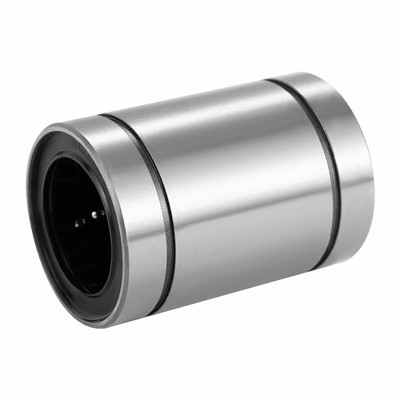
As a supplier for the ST20B factory, I am often asked about the storage capacity of the ST20B factory. Understanding the storage capacity is crucial for both the factory's internal operations and for external partners like us who supply various components. In this blog, I will delve into the details of what the storage capacity of the ST20B factory entails, how it impacts the supply - chain, and why it matters for businesses.
Understanding the Basics of Storage Capacity
The storage capacity of a factory like ST20B is not just about the physical space available for storing raw materials, work - in - progress, and finished goods. It also involves the ability to manage and organize these items efficiently. The ST20B factory has a well - structured storage system that takes into account factors such as the type of products, their size, weight, and the frequency of access.
For instance, the factory stores a large quantity of linear motion bearings, including products like LMB16UU and LM20UUOP. These bearings are essential components in many industrial applications, and the factory needs to maintain an adequate stock to meet production demands.
The storage capacity is measured in terms of cubic meters or square feet, depending on the nature of the storage facility. In the case of the ST20B factory, it has a multi - level storage warehouse that can accommodate a significant volume of goods. The warehouse is equipped with modern racking systems that maximize the use of vertical space, allowing for a higher storage density.
Factors Affecting Storage Capacity
Several factors influence the storage capacity of the ST20B factory. One of the primary factors is the production volume. If the factory has a high production rate, it will need to store more raw materials and finished products. For example, if the factory is producing a large number of Linear Motion Bearing ST20, it will require a larger storage space for the components used in the manufacturing process and the final bearings themselves.
Another factor is the product variety. The ST20B factory produces a wide range of linear motion products, each with different dimensions and storage requirements. Some products may be more fragile and need special storage conditions, while others can be stored in a more general - purpose environment. This variety of products means that the factory needs to allocate different areas for different types of items, which can impact the overall storage capacity.


Seasonal demand also plays a role. During peak seasons, the factory may need to increase its storage capacity to meet the higher demand. This could involve renting additional storage space or optimizing the existing storage layout to make more room for inventory.
Importance of Storage Capacity for the Supply Chain
For a supplier like me, the storage capacity of the ST20B factory is of great importance. It directly affects the frequency and quantity of our deliveries. If the factory has a large storage capacity, it can order larger quantities of components at once, which can lead to cost savings for both the factory and the supplier.
Adequate storage capacity also ensures that the factory can maintain a continuous production process. If the storage space is insufficient, the factory may run out of raw materials, leading to production delays. This can have a domino effect on the entire supply chain, affecting not only the factory but also other downstream partners.
On the other hand, if the factory has too much storage capacity and over - stocks, it can lead to increased holding costs. These costs include rent for the storage space, insurance, and the risk of product obsolescence. Therefore, finding the right balance in storage capacity is crucial for the efficient operation of the supply chain.
How the ST20B Factory Manages Its Storage Capacity
The ST20B factory uses advanced inventory management systems to optimize its storage capacity. These systems track the movement of goods in and out of the warehouse, allowing the factory to monitor inventory levels in real - time. By having accurate data on inventory, the factory can make informed decisions about when to reorder components and how much to store.
The factory also conducts regular audits of its storage facilities to ensure that the space is being used efficiently. This includes reorganizing the storage layout, removing obsolete items, and improving the accessibility of products. By doing so, the factory can increase its effective storage capacity without having to invest in additional physical space.
Future Considerations for Storage Capacity
As the ST20B factory grows and expands its product line, the demand for storage capacity will likely increase. The factory will need to consider several options to meet this demand. One option is to expand the existing storage facilities. This could involve building new warehouses or adding additional levels to the existing ones.
Another option is to improve the efficiency of the storage systems. This could include implementing more advanced racking systems, using automated storage and retrieval systems (AS/RS), or adopting new inventory management techniques.
In addition, the factory may also explore the possibility of partnering with third - party logistics providers. These providers can offer additional storage space and logistics services, which can help the factory manage its inventory more effectively.
Conclusion
In conclusion, the storage capacity of the ST20B factory is a complex and important aspect of its operations. It is influenced by various factors such as production volume, product variety, and seasonal demand. For a supplier like me, understanding the storage capacity of the factory is essential for planning our deliveries and ensuring a smooth supply - chain operation.
If you are interested in learning more about our products or discussing potential procurement opportunities, I encourage you to reach out. We are always eager to engage in productive discussions with potential partners and look forward to the possibility of working together.
References
- General knowledge of industrial storage management and supply - chain operations.
- Internal reports and data from the ST20B factory regarding its storage facilities and inventory management.