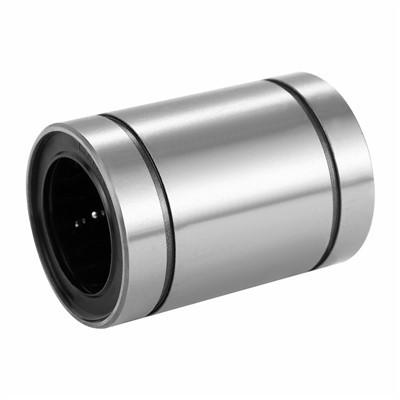
Stiffness is a crucial characteristic when it comes to linear motion bearings, influencing their performance and suitability for various applications. As a supplier of linear motion bearings, I've witnessed firsthand how understanding stiffness can make a significant difference in the efficiency and longevity of machinery. In this blog, I'll delve into what stiffness means in the context of linear motion bearings, why it matters, and how it impacts different types of applications.
What is Stiffness in Linear Motion Bearings?
Stiffness in linear motion bearings refers to the ability of the bearing to resist deformation under an applied load. When a load is applied to a linear motion bearing, it causes a certain amount of deflection. The stiffness of the bearing is defined as the ratio of the applied load to the resulting deflection. Mathematically, it can be expressed as (k = \frac{F}{\delta}), where (k) is the stiffness, (F) is the applied load, and (\delta) is the deflection.


A high - stiffness bearing will experience less deflection under a given load compared to a low - stiffness one. This property is essential because it directly affects the precision and stability of the linear motion system. For example, in a precision machining application, even a small amount of deflection can lead to inaccurate cuts and poor surface finishes.
Factors Affecting the Stiffness of Linear Motion Bearings
Bearing Design
The design of the linear motion bearing plays a significant role in determining its stiffness. For instance, bearings with a larger cross - sectional area generally have higher stiffness because they can distribute the load over a larger area. Additionally, the internal structure of the bearing, such as the arrangement of rolling elements (balls or rollers), can also impact stiffness. Bearings with a greater number of rolling elements or a more optimized rolling element arrangement can provide higher stiffness.
Material Properties
The materials used in the construction of the bearing also affect its stiffness. Bearings made from high - strength materials, such as hardened steel or ceramic, tend to have higher stiffness compared to those made from softer materials. These materials can withstand higher loads without significant deformation, resulting in a stiffer bearing.
Preloading
Preloading is a technique used to increase the stiffness of linear motion bearings. By applying an initial load to the bearing, the internal clearances are eliminated, and the rolling elements are pre - stressed. This pre - stressing increases the bearing's resistance to further deformation under an applied load, thereby increasing its stiffness. However, it's important to note that excessive preloading can lead to increased friction and reduced bearing life.
Importance of Stiffness in Different Applications
Machine Tools
In machine tools, such as lathes, milling machines, and grinders, stiffness is of utmost importance. These machines require high - precision linear motion to produce accurate parts. A stiff linear motion bearing ensures that the cutting tool moves precisely along the desired path, minimizing errors and improving the quality of the machined parts. For example, in a high - speed milling operation, a stiff bearing can prevent chatter and vibration, resulting in a smoother surface finish.
Robotics
Robots rely on linear motion bearings for various tasks, such as pick - and - place operations and assembly. Stiff bearings are necessary to ensure the accuracy and repeatability of the robot's movements. In a robotic arm, a high - stiffness bearing can reduce the deflection caused by the weight of the end - effector and the forces exerted during operation, allowing the robot to perform tasks with greater precision.
Semiconductor Manufacturing
The semiconductor manufacturing industry demands extremely high precision and cleanliness. Linear motion bearings used in semiconductor manufacturing equipment, such as wafer handling systems and lithography machines, must have high stiffness to ensure the accurate positioning of wafers. Even a small amount of deflection can lead to misalignment and defects in the semiconductor chips, resulting in significant losses.
Our Product Offerings and Stiffness
As a supplier of linear motion bearings, we offer a wide range of products with different stiffness characteristics to meet the diverse needs of our customers. For example, our Linear Motion Bearing LM20UU is designed to provide a good balance between stiffness and cost - effectiveness. It is suitable for a variety of general - purpose applications where moderate precision is required.
Our KH2030PP bearing is engineered for high - performance applications that demand high stiffness. With its optimized design and high - strength materials, it can withstand heavy loads with minimal deflection, making it ideal for machine tools and other precision equipment.
Another product, the LM20UUOP, offers enhanced stiffness through preloading. This bearing is suitable for applications where high precision and stability are critical, such as in semiconductor manufacturing and robotics.
How to Choose the Right Stiffness for Your Application
When selecting a linear motion bearing, it's important to consider the specific requirements of your application. Here are some steps to help you choose the right stiffness:
- Determine the Load Requirements: Calculate the maximum load that the bearing will need to support during operation. This includes both the static and dynamic loads.
- Assess the Precision Requirements: Consider the level of precision required for your application. Applications that demand high precision, such as semiconductor manufacturing, will require bearings with higher stiffness.
- Evaluate the Operating Conditions: Take into account the operating speed, temperature, and environment of the application. These factors can affect the performance and stiffness of the bearing.
- Consult with an Expert: If you're unsure about which bearing to choose, don't hesitate to consult with our technical experts. We have extensive experience in the field of linear motion bearings and can provide you with professional advice based on your specific needs.
Conclusion
Stiffness is a critical factor in the performance of linear motion bearings. It affects the precision, stability, and longevity of the linear motion system. As a supplier of linear motion bearings, we understand the importance of stiffness and offer a wide range of products to meet the diverse needs of our customers. Whether you're looking for a cost - effective solution for general - purpose applications or a high - performance bearing for precision equipment, we have the right product for you.
If you're interested in learning more about our linear motion bearings or have specific requirements for your application, please feel free to contact us for a consultation. Our team of experts is ready to assist you in selecting the most suitable bearing and ensuring the success of your project.
References
- Harris, T. A., & Kotzalas, M. N. (2007). Rolling Bearing Analysis. John Wiley & Sons.
- Budynas, R. G., & Nisbett, J. K. (2011). Shigley's Mechanical Engineering Design. McGraw - Hill.
- ISO 14728 - 1:2007, Plain bearings - Linear motion ball bearings - Part 1: Boundary dimensions, identification code and tolerances.