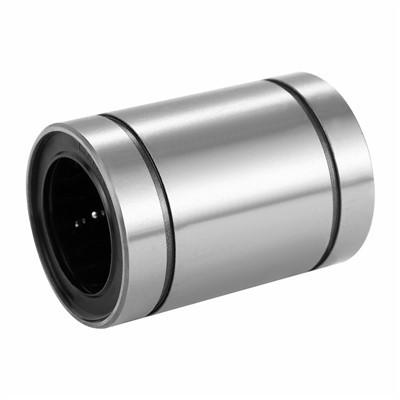
Hey there! I'm a supplier of LM20UUOP, and today I wanna chat about how storage conditions can impact the quality of this product.
First off, let's understand what LM20UUOP is. It's a type of linear motion bearing that's widely used in various industrial applications. As a supplier, I've seen firsthand how different storage scenarios can either keep these bearings in top - notch condition or lead to some quality issues.
Temperature
One of the most crucial factors in storage is temperature. LM20UUOP is made of specific materials, and extreme temperatures can have a significant effect on them.
If you store these bearings in a place that's too hot, say above 60°C, the lubricant inside the bearing can start to break down. The lubricant is essential as it reduces friction between the moving parts of the bearing. When it breaks down, it loses its lubricating properties, which can lead to increased wear and tear. Over time, this wear can cause the bearing to malfunction, and it might not provide the smooth linear motion that it's designed for.
On the flip side, storing LM20UUOP in extremely cold temperatures, like below - 20°C, can make the materials more brittle. The metal components of the bearing can become less flexible, and there's a higher risk of cracking or chipping. This is especially dangerous because even a small crack can compromise the structural integrity of the bearing, and it could fail during operation.
So, the ideal temperature range for storing LM20UUOP is between 10°C and 30°C. This range keeps the lubricant in good condition and ensures that the materials of the bearing maintain their mechanical properties.
Humidity
Humidity is another big deal when it comes to storing LM20UUOP. High humidity levels can lead to corrosion. The bearing is made of metal parts, and when exposed to moisture in the air, these parts can start to rust. Rust not only looks bad but also weakens the bearing. It can cause the surface of the bearing to become rough, which increases friction and reduces the efficiency of the linear motion.


For example, if you store the bearings in a basement where the humidity is constantly high, you might notice rust spots on the bearings after a few months. This rust can spread quickly, and it can be very difficult to remove without damaging the bearing.
To prevent corrosion, it's important to store LM20UUOP in a dry environment with a relative humidity of less than 60%. You can use dehumidifiers in the storage area if necessary. Also, keeping the bearings in sealed packaging can provide an extra layer of protection against moisture.
Dust and Contamination
Dust and other contaminants can also have a negative impact on the quality of LM20UUOP. When dust particles get into the bearing, they can act like abrasives. They can scratch the smooth surfaces of the bearing, which can lead to increased friction and premature wear.
Imagine a storage area that's near a construction site or a factory floor with a lot of airborne dust. If the bearings are not properly protected, dust can easily settle on them. Even a small amount of dust can cause problems over time.
To avoid this, it's a good idea to store the bearings in a clean, enclosed space. You can use storage cabinets or containers to keep the dust out. Also, make sure to handle the bearings with clean hands or use gloves to prevent transferring dirt and oil from your hands onto the bearings.
Stacking and Handling
How you stack and handle LM20UUOP during storage can also affect its quality. If you stack the bearings too high, the weight of the upper bearings can put excessive pressure on the lower ones. This can cause deformation of the bearing structure. For instance, the outer ring of the bearing might get slightly distorted, which can affect its ability to fit properly in the application and provide smooth motion.
When handling the bearings, it's important to be gentle. Dropping or hitting the bearings can cause internal damage that might not be visible at first glance but can lead to problems later on. Always use proper lifting equipment and follow the recommended handling procedures.
Comparison with Similar Products
It's interesting to compare the storage requirements of LM20UUOP with some similar products. For example, the Linear Motion Bearing ST20 has similar temperature and humidity requirements. However, due to its different design and materials, it might be more or less sensitive to certain storage conditions.
The LM20LUU is also a related product. It has a different sealing mechanism, which might make it more resistant to dust and contamination during storage. But it still needs to be stored in a proper temperature and humidity range to maintain its quality.
The LMB16UU is a smaller - sized linear motion bearing. While the general principles of storage apply, the smaller size might make it more vulnerable to damage from improper handling.
Conclusion
In conclusion, storage conditions play a vital role in maintaining the quality of LM20UUOP. Temperature, humidity, dust, and proper handling are all factors that need to be carefully considered. By following the right storage practices, you can ensure that the bearings you buy from me as a supplier are in the best possible condition when you're ready to use them.
If you're in the market for LM20UUOP or any other linear motion bearings, I'd love to have a chat with you. Whether you have questions about storage, application, or pricing, don't hesitate to reach out. I'm here to help you make the right choice for your industrial needs.
References
- "Handbook of Linear Motion Bearings" - A comprehensive guide on the design, operation, and maintenance of linear motion bearings.
- Industry research reports on the impact of environmental factors on bearing quality.