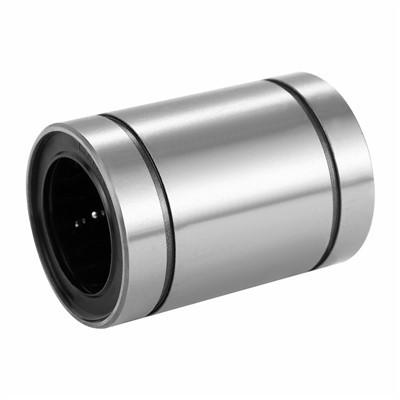
Hey there! As a supplier of LM20UUOP, I've been getting a lot of questions lately about how noise level can affect the application of this awesome linear bearing. So, I thought I'd take a deep dive into this topic and share my insights with you all.


First off, let's talk a bit about what LM20UUOP is. It's a type of linear bearing that's widely used in various industries for its smooth operation and high load - carrying capacity. You can find it in everything from automation equipment to CNC machines.
Now, noise level is a crucial factor in many applications. In some industrial settings, excessive noise can be a real headache. It can not only cause discomfort to workers but also indicate potential problems with the equipment. So, how does noise level impact the application of LM20UUOP?
Impact on Precision Applications
In precision applications, such as in high - end 3D printers or semiconductor manufacturing equipment, even the slightest noise can be a red flag. A noisy LM20UUOP might suggest that there's uneven wear on the bearing surface or that the lubrication is not up to par.
When the bearing makes noise, it often means that there are vibrations occurring. These vibrations can throw off the precision of the movement. For example, in a 3D printer, the exact positioning of the print head is crucial for creating detailed and accurate models. If the LM20UUOP is noisy and vibrating, the print head might not move as precisely as needed, resulting in a lower - quality print.
Impact on Workplace Environment
In a factory or workshop, noise can be a major issue for the workers. Prolonged exposure to high - level noise can lead to hearing loss and other health problems. If the LM20UUOP is used in equipment that operates continuously, and it generates a lot of noise, it can make the workplace an unpleasant and unhealthy place to be.
Moreover, high noise levels can also be a sign of inefficiency. A well - functioning bearing should operate quietly. If it's noisy, it might be consuming more energy than necessary, which can lead to higher operating costs in the long run.
Factors Affecting Noise Level in LM20UUOP
There are several factors that can contribute to the noise level of an LM20UUOP. One of the main factors is the quality of the manufacturing process. If the bearing is not machined to the correct tolerances, there can be gaps or uneven surfaces that cause noise during operation.
Lubrication also plays a huge role. Insufficient or improper lubrication can lead to increased friction between the bearing and the shaft, which in turn generates noise. The type of lubricant used is also important. Some lubricants are better at reducing noise than others.
Another factor is the installation. If the bearing is not installed correctly, it can be misaligned, causing uneven stress and noise. For example, if the bearing is tilted or not centered properly on the shaft, it will not rotate smoothly and will likely make noise.
Comparing with Other Bearings
When it comes to noise level, it's interesting to compare LM20UUOP with other similar bearings in the market. For instance, the KH2030PP and ST20B are also popular linear bearings.
The KH2030PP is known for its relatively low noise operation. It has a special design that helps to reduce vibrations and friction, resulting in a quieter performance. On the other hand, the ST20B might be a bit noisier in some applications, especially if it's not properly maintained.
The LMB16UU is another option. It's a smaller bearing, but it also has its own noise characteristics. In general, the size and design of the bearing can have a significant impact on how noisy it is.
How to Reduce Noise in LM20UUOP Applications
If you're experiencing high noise levels with your LM20UUOP, there are several steps you can take to reduce it. First, make sure the bearing is properly lubricated. Use a high - quality lubricant that's specifically designed for linear bearings. You may need to lubricate the bearing regularly, depending on the operating conditions.
Secondly, check the installation. Ensure that the bearing is correctly aligned and seated on the shaft. If necessary, you can use alignment tools to make sure everything is in place.
Finally, consider the operating environment. If the equipment is exposed to a lot of dust or debris, it can cause the bearing to wear out faster and become noisy. You can install protective covers or filters to keep the bearing clean.
Conclusion
In conclusion, the noise level of an LM20UUOP can have a significant impact on its application. It can affect precision, workplace environment, and operating costs. As a supplier, I always recommend that customers pay close attention to the noise level of their bearings and take steps to address any issues promptly.
If you're in the market for high - quality LM20UUOP or have any questions about noise reduction in linear bearings, don't hesitate to reach out. We're here to help you find the best solutions for your specific needs. Let's have a chat and see how we can work together to make your equipment run smoothly and quietly.
References
- "Handbook of Linear Motion Technology"
- "Industrial Bearing Applications and Troubleshooting"