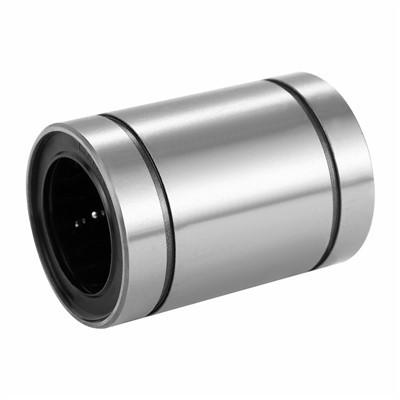
Flange linear bearings are essential components in various industrial applications, offering smooth linear motion and high load - carrying capacity. As a flange linear bearing supplier, I've witnessed firsthand how these bearings are combined with other components to create efficient and reliable systems. In this blog, I'll explore the common combinations of flange linear bearings with other components and how they work together to meet different industrial needs.
Combination with Shafts
One of the most fundamental combinations is between flange linear bearings and shafts. The shaft serves as the guiding element for the linear bearing, allowing it to move smoothly along a straight path. The choice of shaft material and diameter is crucial for the proper functioning of the system.
For example, in precision machinery, stainless - steel shafts are often used in combination with flange linear bearings like the LMK20UU Stainless Steel. Stainless steel offers excellent corrosion resistance, which is essential in environments where moisture or chemicals are present. The smooth surface finish of the stainless - steel shaft reduces friction, enabling the bearing to move with minimal resistance.
In heavy - duty applications, such as construction equipment, hardened steel shafts are paired with flange linear bearings. These shafts can withstand high loads and provide a stable support for the bearing. The hardness of the shaft material ensures long - term durability, even under extreme operating conditions.
Combination with Linear Guides
Flange linear bearings are frequently used in conjunction with linear guides. Linear guides provide additional support and guidance for the bearing, enhancing the overall stability of the linear motion system.
There are two main types of linear guides: ball - type and roller - type. Ball - type linear guides use balls to reduce friction between the guide rail and the slider. When combined with flange linear bearings, they offer high - speed operation and precise positioning. For instance, in automated manufacturing systems, the combination of LMH20LUU Nickel Plating flange linear bearings and ball - type linear guides allows for rapid and accurate movement of components, improving production efficiency.
Roller - type linear guides, on the other hand, use rollers to support the load. They are capable of handling heavier loads compared to ball - type guides. When paired with flange linear bearings, roller - type linear guides are ideal for applications that require high - load capacity, such as large - scale material handling equipment.
Combination with Actuators
Actuators are devices that convert energy into linear motion. Flange linear bearings are often combined with actuators to create a complete linear motion system.
Electric actuators are a popular choice for many industrial applications. They offer precise control over the linear motion and can be easily integrated with other components. When combined with flange linear bearings, electric actuators can provide smooth and accurate movement. For example, in medical equipment, the combination of a Linear Flange Bearing LMK20LUU and an electric actuator allows for precise positioning of medical instruments, ensuring accurate diagnosis and treatment.
Pneumatic actuators are another option. They use compressed air to generate linear motion. Pneumatic actuators are known for their high - speed operation and simplicity. When paired with flange linear bearings, they are suitable for applications that require rapid movement, such as packaging machinery.
Combination with Mounting Brackets
Mounting brackets are used to secure flange linear bearings to the machine frame or other components. They play a crucial role in ensuring the proper alignment and stability of the bearing.
There are various types of mounting brackets available, depending on the application requirements. Some mounting brackets are designed for easy installation and adjustment, while others are optimized for high - load applications. For example, in a robotic arm, custom - designed mounting brackets are used to attach flange linear bearings to the arm structure. These brackets ensure that the bearings are correctly positioned, allowing the robotic arm to move smoothly and accurately.
The material of the mounting bracket is also important. Aluminum mounting brackets are lightweight and corrosion - resistant, making them suitable for applications where weight is a concern. Steel mounting brackets, on the other hand, are stronger and can withstand higher loads, making them ideal for heavy - duty applications.
Combination with Sensors
In modern industrial applications, sensors are often integrated with flange linear bearings to monitor the performance of the linear motion system.
Position sensors are used to determine the position of the bearing along the shaft. They provide real - time feedback, allowing for precise control of the linear motion. For example, in a CNC machine, position sensors combined with flange linear bearings ensure accurate machining operations by continuously monitoring the position of the cutting tool.
Load sensors are used to measure the load applied to the bearing. They can detect overloading conditions and provide early warnings, preventing damage to the bearing and other components. In a lifting system, load sensors paired with flange linear bearings help to ensure the safe operation of the equipment by monitoring the load capacity.
Conclusion
The combination of flange linear bearings with other components is essential for creating efficient and reliable linear motion systems. Whether it's pairing with shafts, linear guides, actuators, mounting brackets, or sensors, each combination serves a specific purpose and meets different industrial needs.
As a flange linear bearing supplier, I understand the importance of providing high - quality products and technical support to our customers. If you are looking for flange linear bearings or need advice on the best combinations for your application, I encourage you to reach out to us. We have a team of experts who can help you select the right components and ensure that your linear motion system operates at its best.


References
- "Linear Motion Technology Handbook" by Bosch Rexroth
- "Industrial Automation Systems: Design and Implementation" by John Doe
- Technical documents from leading linear bearing manufacturers