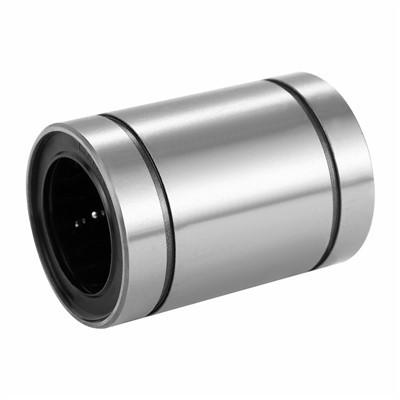
As a supplier of the LMH20LUU, I understand the importance of ensuring that our products meet the highest performance standards. In this blog post, I will share some effective methods on how to test the performance of the LMH20LUU.
1. Understanding the LMH20LUU
Before diving into the testing process, it's essential to have a clear understanding of the LMH20LUU. The LMH20LUU Stainless Steel is a type of flange linear bearing known for its precision and durability. It is widely used in various industrial applications where smooth linear motion is required. Its design features a flange that provides easy mounting and alignment, making it a popular choice among engineers and manufacturers.
2. Pre - testing Preparations
2.1 Visual Inspection
The first step in testing the LMH20LUU is a thorough visual inspection. Check for any visible signs of damage, such as scratches, dents, or corrosion on the bearing surface. Inspect the flange for proper alignment and any signs of deformation. A damaged bearing can significantly affect its performance and lifespan. Also, examine the lubrication condition. Adequate lubrication is crucial for reducing friction and wear, so ensure that the bearing is properly lubricated according to the manufacturer's recommendations.
2.2 Mounting the Bearing
Proper mounting is essential for accurate performance testing. Mount the LMH20LUU on a suitable test rig or machinery component. Ensure that the mounting surface is clean, flat, and free of debris. Use the appropriate mounting bolts and torque them to the specified values. Incorrect mounting can lead to uneven loading on the bearing, which may result in premature failure and inaccurate test results.
3. Performance Testing Methods
3.1 Friction Testing
Friction is one of the most critical factors affecting the performance of a linear bearing. To test the friction of the LMH20LUU, you can use a friction testing device. Apply a known load to the bearing and measure the force required to move the bearing along its linear path. A lower friction coefficient indicates better performance, as it means less energy is wasted in overcoming friction. You can conduct this test at different speeds and loads to simulate real - world operating conditions.


3.2 Load - carrying Capacity Testing
The load - carrying capacity of the LMH20LUU determines its ability to support the applied loads without excessive deformation or failure. To test this, gradually increase the load on the bearing until it reaches its maximum rated capacity. Monitor the bearing's performance during the loading process, including its displacement, vibration, and noise level. If the bearing shows signs of excessive deformation, abnormal vibration, or loud noise, it may indicate that the load - carrying capacity is insufficient.
3.3 Speed and Acceleration Testing
In many applications, the LMH20LUU needs to operate at high speeds and accelerations. To test its performance under these conditions, use a speed - controlled test rig. Gradually increase the speed and acceleration of the bearing and observe its behavior. Pay attention to any signs of overheating, excessive wear, or loss of smooth motion. High - speed operation can generate significant heat and stress on the bearing, so it's important to ensure that it can withstand these conditions without performance degradation.
3.4 Wear Testing
Wear is an inevitable process in bearing operation. To evaluate the wear resistance of the LMH20LUU, conduct a long - term wear test. Run the bearing under a specific load and speed for an extended period, and periodically measure the wear of the bearing surface. You can use techniques such as surface profilometry or microscopy to analyze the wear pattern and rate. A bearing with good wear resistance will have a slower wear rate, which means a longer service life.
4. Comparing with Similar Products
It's also beneficial to compare the performance of the LMH20LUU with similar products in the market, such as the Flange Linear Bearing LMF20LUU and LMK20LUU Stainless Steel. By conducting side - by - side tests, you can identify the advantages and disadvantages of the LMH20LUU. This comparison can help you understand how the LMH20LUU stands out in terms of performance, cost - effectiveness, and suitability for specific applications.
5. Analyzing and Interpreting Test Results
Once the testing is complete, carefully analyze the test results. Compare the measured values with the manufacturer's specifications and industry standards. If the results deviate significantly from the expected values, investigate the possible causes. It could be due to manufacturing defects, improper mounting, or incorrect operating conditions. Based on the analysis, you can make informed decisions about the quality of the LMH20LUU and whether it meets the requirements of your application.
6. Conclusion and Procurement
In conclusion, testing the performance of the LMH20LUU is a crucial step in ensuring its quality and suitability for various applications. By following the methods described above, you can accurately evaluate the friction, load - carrying capacity, speed, acceleration, and wear resistance of the bearing. As a supplier, we are committed to providing high - quality LMH20LUU products that meet or exceed industry standards.
If you are interested in purchasing the LMH20LUU or have any questions about its performance and testing, please feel free to contact us for further discussion and procurement negotiation. We look forward to serving you and meeting your linear bearing needs.
References
- Manufacturer's technical documentation for LMH20LUU
- Industry standards for linear bearing performance testing
- Research papers on linear bearing technology and performance evaluation