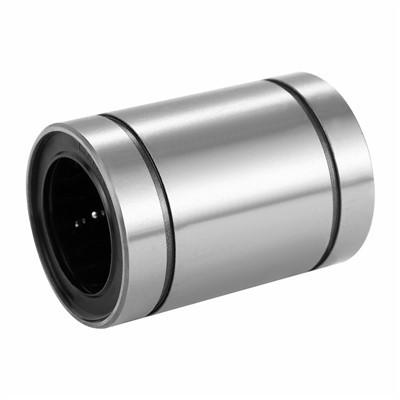
In high duty cycle industrial automation, the unexpected failure of a single mechanical guidance component can trigger catastrophic production downtime and extensive financial loss. For system engineers and maintenance managers overseeing multi axis CNC arrays, packaging robotics, or semiconductor material handling platforms, establishing an empirical status monitoring protocol for critical components like the LMH20LUU oval flange extended linear motion bearing is paramount. Because this specific component features a double length sleeve housing two distinct internal recirculating ball matrices, its operational kinetics require monitoring methodologies tailored to its exact geometric attributes.
Established in 2007, Zhejiang Siqiang Bearing Manufacturing Co., Ltd. (SQ) serves global manufacturing networks as a certified high tech enterprise and Vice President Unit of the Lishui Rolling Functional Components Association. Operating from our state of the art 19,800 square meter production facility, which manages more than 100 advanced CNC grinding and automated inspection lines under an ISO9001 Quality Management Framework, our technical department compiles empirical field data to assist global B2B operations. Below, we detail the engineering parameters, sensor technologies, and physical symptoms required to implement a professional condition monitoring architecture for the LMH20LUU series.

Kinematic Analysis: Understanding the Double Length Structural Vulnerabilities
Prior to installing telemetry equipment or developing manual inspection checklists, technicians must analyze the specific mechanical forces acting upon an extended oval flange component.
The Complexity of the Extended Sleeve Housing: The LU identification within the LMH20LUU nomenclature indicates a double length configuration. Inside this precision ground carbon steel shell, two separate sets of recirculating high carbon chromium steel balls operate in sequence to support a 20mm ground linear shaft. While this extended design drastically improves radical load distribution and enhances guiding rigidity over shorter models, it increases vulnerability to angular misalignment and moment load stress.
The Mechanics of Concentrated Track Fatigue: If the mounting bulkhead or the precision shaft suffers from a microscopic deflection of even a few micrometers, the double length sleeve acts as a mechanical lever, concentrating intense forces onto the outermost edges of the ball tracks. This localized tracking stress accelerates subsurface fatigue, micro spalling, and friction induced thermal spikes. Condition monitoring systems must therefore be calibrated to detect early structural anomalies before they lead to catastrophic mechanical locking.
Physical Condition Monitoring: Empirical Inspection Parameters
Implementing a rigorous predictive maintenance program involves tracking physical variables across four distinct categories to ensure absolute component predictability.
Tribological and Microscopic Visual Diagnosis
Regular manual inspections must focus on the condition of the surface lubrication film and the integrity of the integrated elastomeric seals. Examine the 20mm precision shafting for fine metallic particulate tracks, uneven grease tracking lines, or localized surface scoring. The presence of darkened, discolored grease indicates that the lubricant has undergone thermal shearing or chemical oxidation due to contamination entry. If the dual lip synthetic rubber seals exhibit cracking, flattening, or physical wear along the inner contact lip, they can no longer isolate the internal ball circuits, signaling an immediate need for component servicing.
Thermal Telemetry and Micro Infrared Monitoring
Friction within a rolling element assembly generates a direct, quantifiable rise in heat. Technicians should utilize fixed infrared thermal sensors or high resolution thermographic cameras to establish a baseline operating temperature during normal production cycles under standard speeds and payloads. An abnormal thermal spike exceeding twenty degrees Celsius above ambient warehouse or factory floor thresholds is an immediate indicator of a mechanical anomaly. This thermal variance typically points to severe lack of internal grease packing, excessive preloading caused by a warped mounting plate, or localized binding within the recirculating tracks.
High Frequency Vibro Acoustic Waveform Analysis
Acoustic monitoring provides the earliest possible detection of internal structural wear before physical tracking failures manifest. Normal rolling element contact yields a faint, continuous, uniform low frequency hum. Conversely, the introduction of subsurface micro pitting on the GCr15 steel balls or internal raceways produces distinct high frequency shock waves. Technicians using a magnetic digital vibration accelerometer or an acoustic emission sensor can detect these irregular spikes. Grinding or clicking sound profiles indicate broken internal resin ball retainers, loose debris contamination, or flat spots on the rolling elements.
Kinetic Performance Data Logging
Modern smart factories track the electrical current draw and tracking accuracy of the primary drive motors driving the linear axis. By logging the motor torque curves over extended operation cycles, software algorithms can identify gradual increases in parasitic mechanical resistance. A creeping upward trend in the baseline current required to move the flanged slide carrier along the linear track indicates that the bearing assembly is suffering from internal degradation, track deformation, or progressive lubrication starvation.
Comparative Deflection Behavior of Alternative Flanged Geometries
To optimize system monitoring, engineers must evaluate how alternative flanged configurations react to structural loading variations when managing a diverse multi axis machinery setup.
- The Structural Response of Circular LMF20LUU Hardware: The Asian metric standard round flange configuration found on models like the LMF20LUU utilizes a wide, symmetrical circular footprint secured by four evenly spaced mounting bolt holes. This circular symmetry distributes radial forces uniformly across the entire mounting face. When monitoring this component, thermal and vibrational sensors can be placed symmetrically around the housing, as the structural load distribution lacks the directional focus found in oval layouts.
- The Structural Response of Square LMEK20LUU Elements: The European standard square flange configuration utilized in assemblies like the LMEK20LUU offers exceptional torsional rigidity against twisting moment forces. Because the square shape concentrates material mass at four specific corner zones, condition monitoring teams must position vibration couplers directly adjacent to the primary mounting bolts, where structural stress transmission from the machine frame is highest.
- Material Variances in Stainless Steel Substituted Components: When working with non corrosive stainless steel variations of these models, such as the LMF20UU Stainless Steel series, the baseline thermal conductivity differs from standard high carbon steel. Stainless steel alloys generally exhibit lower thermal conductivity, meaning internal frictional heat builds up more rapidly within the inner raceway zones and dissipates slower through the external flange housing. Thermal monitoring parameters must be adjusted to account for this material property to prevent false alarms or missed over temperature events.

Strategic Plant Logistics and OEM Customization Advantages
At SQ's modern production plant, our manufacturing processes are designed to deliver highly stable, uniform baseline performance, ensuring that predictive condition monitoring systems can be calibrated with maximum accuracy across all batches.
Certified ISO9001 Quality Framework: Every component leaving our 19,800 square meter digital facility undergoes rigorous automated dimensional tolerance testing and radial clearance verification. This strict manufacturing control ensures that global B2B procurement managers receive components with perfectly predictable friction profiles, allowing for uniform condition monitoring thresholds across entire fleets of automated machinery.
- Comprehensive Specialized Material Integration: To support advanced international original equipment manufacturers operating under challenging environmental conditions, SQ provides extensive factory direct component customization options:
- Corrosion Tolerant Metallurgy: We construct custom linear components using high grade Stainless Steel alloys to withstand aggressive chemical washdowns or sterile clean room environments.
- Electroless Surface Enhancements: Our production lines apply specialized electroless nickel plating or durable black oxide coatings to maximize surface hardness and prevent oxidation.
- Specialized Sealing Systems: We configure tailored double rubber seals or low friction metal shields to optimize particulate isolation based on your unique factory floor dust parameters.
- Industrial Branding and Packaging: We support international supply chains with high resolution laser etching, individual anti rust vacuum bagging, and heavy duty outer crates structured to ensure flawless transit safety during global maritime shipping.
Enhance Machine Longevity and Stabilize Your Production Systems
Eliminate costly processing errors, minimize unexpected equipment breakdown, and bypass the extended lead times and inflated costs associated with third party trading brokers. Partnering directly with SQ Group provides your engineering and maintenance departments with factory direct wholesale pricing, completely traceable raw material certificates, and direct access to an elite technical support squad capable of resolving complex linear motion challenges.
Whether your immediate automated production floor requires specialized extended oval flanged configurations, standard metric linear motion bearings, heavy duty linear guides, or high precision rolled ball screws, SQ infuses exceptional structural predictability and endurance into your international logistics network.
Establish a direct engineering channel with our technical consulting department to coordinate custom monitoring sensor integration, request dimensioned product blueprints, or secure a swift wholesale production estimate by delivering your mechanical assembly requirements to the SQ Motion Engineering and Asset Protection Division Today.