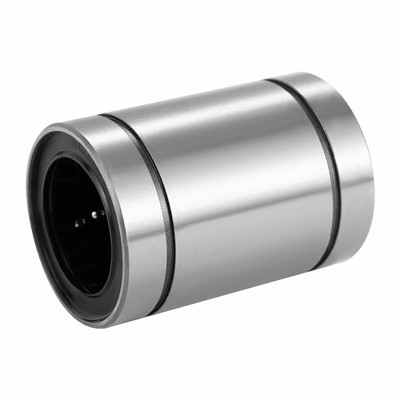
Calibration is a critical process for ensuring the accuracy, reliability, and longevity of industrial equipment. When it comes to the LM20UU linear motion bearing, understanding how often it should be calibrated is essential for maintaining optimal performance. As a supplier of the LM20UU, I'm here to shed light on this important topic and provide valuable insights to help you make informed decisions.
Factors Influencing Calibration Frequency
Several factors can influence how often the LM20UU should be calibrated. These factors can be broadly categorized into environmental, operational, and equipment - specific considerations.
Environmental Factors
The environment in which the LM20UU operates plays a significant role in determining calibration frequency. For instance, if the bearing is used in a dusty or dirty environment, particles can accumulate on the bearing surfaces, causing increased friction and wear. This can lead to deviations in the bearing's performance over time. In such harsh environments, more frequent calibration may be required, perhaps every 3 - 6 months.
On the other hand, if the bearing is used in a clean, temperature - controlled environment, the calibration interval can be extended. For example, in a laboratory setting where conditions are stable, calibration might be necessary only once a year.
Operational Factors
The intensity of use also affects calibration frequency. If the LM20UU is subjected to high - speed or high - load operations, it experiences more stress and wear. High - speed applications can cause the bearing to heat up, which may lead to thermal expansion and affect its accuracy. In these cases, more frequent calibration, say every 2 - 4 months, is advisable.
Conversely, if the bearing is used in low - speed, light - load applications, the calibration interval can be longer. For example, in a small - scale automation system with minimal load and slow movement, calibration could be done every 6 - 12 months.
Equipment - Specific Factors
The age and condition of the LM20UU are important considerations. New bearings may require less frequent calibration as they are in their optimal state. However, as the bearing ages, its performance may start to degrade. A general rule of thumb is that as the bearing approaches the end of its expected service life, calibration should be done more often.
The quality of the initial installation also matters. If the bearing was not installed correctly, it may experience uneven wear and require more frequent calibration. Additionally, if the bearing has been subjected to any shocks or impacts during its operation, it should be calibrated immediately to ensure its accuracy.
Recommended Calibration Intervals
Based on the above factors, we can provide some general recommendations for calibration intervals:
- Light - duty applications in clean environments: For LM20UU bearings used in light - load, low - speed applications in clean environments, a calibration interval of 6 - 12 months is typically sufficient. This could include applications such as small - scale conveyor systems or simple automation equipment.
- Medium - duty applications: In medium - load and medium - speed applications, where the bearing is exposed to normal levels of stress and environmental factors, calibration every 3 - 6 months is recommended. Examples of such applications include industrial robots with moderate payloads.
- Heavy - duty applications in harsh environments: For bearings used in high - load, high - speed applications in harsh environments, calibration should be done every 2 - 4 months. This might include applications in mining, heavy manufacturing, or outdoor construction equipment.
The Importance of Regular Calibration
Regular calibration of the LM20UU offers several benefits. Firstly, it ensures the accuracy of the bearing's motion. In precision applications, even small deviations in the bearing's movement can lead to significant errors in the overall system. By calibrating the bearing regularly, you can maintain the high - level accuracy required for your operations.
Secondly, calibration helps to extend the lifespan of the bearing. By detecting and correcting any issues early, you can prevent excessive wear and tear, reducing the likelihood of premature failure. This not only saves on replacement costs but also minimizes downtime, which is crucial for maintaining productivity.
Finally, regular calibration can improve the safety of your equipment. A well - calibrated bearing operates more smoothly, reducing the risk of sudden malfunctions or breakdowns that could pose a safety hazard to operators.


Related Products
If you are interested in other linear motion bearings, we also offer the Linear Motion Bearing ST20 and the Linear Motion Bearing LME20UU. These bearings have their own unique features and applications, and our team can help you determine which one is the best fit for your specific needs.
Contact Us for Purchasing and Calibration Services
As a leading supplier of the Linear Motion Bearing LM20UU, we are committed to providing high - quality products and excellent customer service. If you have any questions about calibration intervals, or if you are interested in purchasing the LM20UU or other related products, please feel free to contact us. Our experienced team will be happy to assist you with your inquiries and guide you through the purchasing process.
References
- Industrial Equipment Maintenance Handbook, 3rd Edition
- Linear Motion Bearing Manufacturer's Technical Documentation