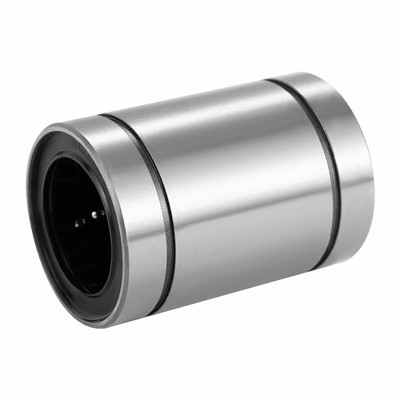
As a supplier to the LMH20UU factory, I've had the privilege of witnessing firsthand the operations and technological landscape within the manufacturing environment. The question of whether the LMH20UU factory uses advanced manufacturing technology is not only relevant but also crucial for understanding the quality, efficiency, and competitiveness of the products it produces.
The Foundation of Advanced Manufacturing Technology
Advanced manufacturing technology encompasses a wide range of techniques and processes that leverage the latest advancements in engineering, materials science, and automation to improve production efficiency, product quality, and innovation. These technologies include computer - aided design (CAD), computer - aided manufacturing (CAM), robotics, 3D printing, and advanced materials.
In the context of the LMH20UU factory, the production of linear bearings like LMH20UU demands precision and consistency. The use of CAD software allows the engineering team to design the bearings with high accuracy, optimizing their dimensions and performance characteristics. By creating detailed 3D models, they can simulate the behavior of the bearings under various operating conditions, identifying potential issues and making improvements before the actual production process begins.
CAM systems are then employed to translate the CAD designs into machine - readable instructions. This integration between CAD and CAM ensures that the manufacturing process is highly automated and precise. For example, CNC (Computer Numerical Control) machines are used to cut, shape, and finish the bearing components. These machines can operate with extremely high tolerances, producing parts that meet the exact specifications required for the LMH20UU bearings.
Robotics and Automation
One of the hallmarks of advanced manufacturing technology is the use of robotics and automation. In the LMH20UU factory, robots play a significant role in the production line. They are used for tasks such as material handling, assembly, and quality control.
Robotic arms are capable of picking up and placing components with great speed and accuracy, reducing the risk of human error and increasing the overall efficiency of the production process. For instance, during the assembly of the bearings, robots can precisely insert the rolling elements and seal the units, ensuring a tight fit and reliable performance.
Automation systems are also integrated into the quality control process. Vision systems, for example, are used to inspect the surface finish, dimensions, and other critical parameters of the bearings. These systems can detect even the smallest defects or deviations from the specified standards, immediately rejecting any non - conforming parts. This level of automation not only improves the quality of the final product but also reduces the time and cost associated with manual inspection.
Advanced Materials and Coatings
The LMH20UU factory also makes use of advanced materials and coatings to enhance the performance and durability of its bearings. For example, LMK20UU Nickel Plating uses a nickel - plating process that provides excellent corrosion resistance. This is particularly important in applications where the bearings are exposed to harsh environmental conditions, such as moisture, chemicals, or high temperatures.


The use of high - quality steel alloys in the manufacturing of the bearing components is another example of the factory's commitment to advanced materials. These alloys offer superior strength, hardness, and wear resistance compared to traditional materials, ensuring a longer service life for the bearings.
3D Printing and Prototyping
3D printing technology has also found its way into the LMH20UU factory. While it may not be used for large - scale production of the bearings themselves, it is an invaluable tool for prototyping. Engineers can quickly create physical models of new bearing designs using 3D printers, allowing them to test and evaluate the concepts before investing in full - scale production.
This rapid prototyping process significantly reduces the time and cost associated with product development. It enables the factory to bring new and improved products to the market more quickly, staying ahead of the competition.
The Impact on Product Quality and Competitiveness
The use of advanced manufacturing technology in the LMH20UU factory has had a profound impact on product quality and competitiveness. The high precision and consistency achieved through automation and advanced engineering techniques result in bearings that offer superior performance and reliability.
Compared to products manufactured using traditional methods, the LMH20UU bearings have better load - carrying capacity, lower friction, and longer service life. This makes them highly desirable in a wide range of industries, including automotive, aerospace, and industrial machinery.
In addition, the ability to quickly develop and introduce new products thanks to 3D printing and rapid prototyping gives the factory a competitive edge. It can respond more effectively to changing market demands and customer requirements, offering innovative solutions that meet the challenges of modern applications.
Conclusion and Call to Action
In conclusion, the LMH20UU factory clearly makes extensive use of advanced manufacturing technology. From CAD/CAM systems and robotics to advanced materials and 3D printing, these technologies have transformed the way the bearings are designed, manufactured, and quality - controlled.
The benefits of these technologies are evident in the high - quality products that the factory produces. Whether you are in need of a reliable linear bearing for a critical application or looking for a supplier that can offer innovative solutions, the LMH20UU and related products like Flanged Linear Motion Bearing LMEF20UU are excellent choices.
If you are interested in learning more about our products or would like to discuss a potential procurement, please feel free to reach out. We look forward to the opportunity to work with you and provide you with the best - in - class linear bearing solutions.
References
- "Manufacturing Engineering and Technology" by Serope Kalpakjian and Steven R. Schmid
- Industry reports on advanced manufacturing technologies in the bearing industry